The vitamin D metabolite, 25-OH D3, has shown various commercial advantages in poultry live performance that go beyond regular vitamin D3. This aligns with findings in humans suggesting that 25-OH D3 provides superior functions beyond the commonly known role of vitamin D3. Many studies continue to explore the benefits and mechanisms of this ingredient. In commercial poultry farming, 25-OH D3 has demonstrated remarkable results in improving production economics through better weight gain, feed efficiency, and hatchability.
What is Vitamin D3 Hydrolyzed?
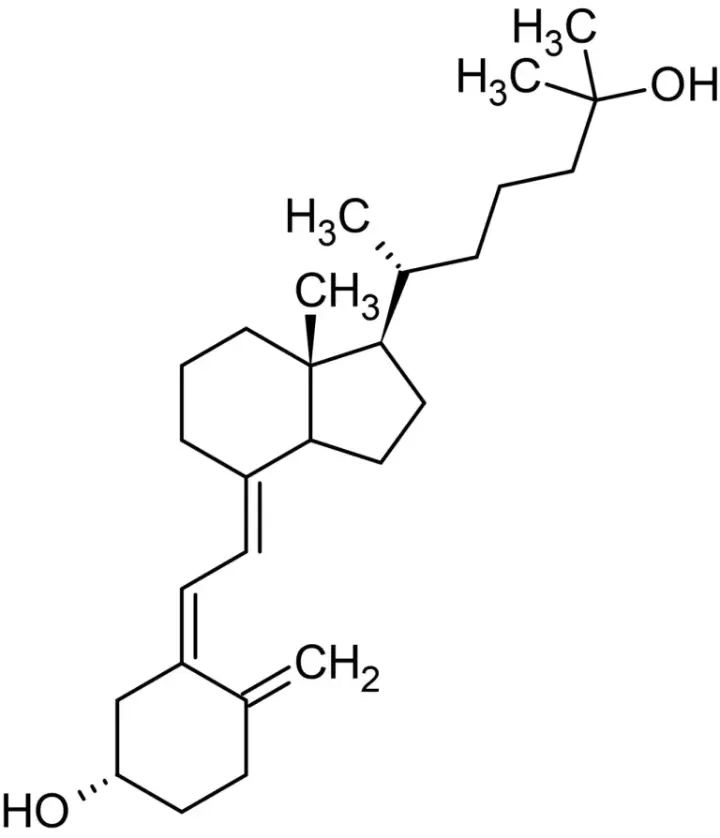
Picture 1. Molecular structure of 25OH - D3
Vitamin 25-OH D3, also known as hydrolyzed vitamin D3, is the first metabolite of vitamin D3 produced in the liver through calciferol hydroxylation. It is then transported to the kidneys and converted into the hormonal form: 1,25-dihydroxy-vitamin D3 [1,25-(OH)2D3] or calcitriol. The primary circulating form of hydrolyzed vitamin D3 is 25-OH D3.
Mechanism of Action
- Maximizes calcium and phosphorus absorption in the small intestine
- Supports calcium mobilization from bones
- Supports calcium-binding protein synthesis
- Regulates eggshell and bone mineralization
- Helps regulate immune cells in poultry
Benefits of Using Hydrolyzed Vitamin D3 in Poultry
- Improves bone quality
- Enhances growth and meat yield
- Improves egg production and eggshell quality
- Supports overall poultry health
Effects of Vitamin D3 Deficiency in Poultry
Vitamin D3 deficiency may increase blood glucose levels in chicks and lead to abnormal energy substrate utilization. Severe deficiency may cause visible deformities in skeleton, beak, and eggshells. In laying and breeding poultry, severe deficiency may reduce egg production, decrease hatchability, and cause late-stage embryo mortality in hatching eggs. Marginal deficiencies are often the most costly because they may go unnoticed while still causing poor feed conversion, suboptimal performance, also less visible health issues.
Symptoms in Chicks
- Stunted growth
- Rickets (leg weakness/paralysis)
- Soft beaks and claws (within 2–3 weeks)
- Difficulty walking and loss of balance
- Poor feather development
Symptoms in Adult Chickens
- Increased soft-shelled eggs
- Reduced egg production
- Poor hatchability
- Lameness
- Peeling beaks, claws, and legs
- Bent sternum (breastbone deformity)
Vitamin D3 Supplier for Poultry in Indonesia
Maha provides high-quality hydrolyzed vitamin D3 for poultry applications. Contact us for more information regarding products, formulations, or challenges in your industry. Our experienced technical team is ready to help support your poultry production needs!