Having bright and healthy skin is everyone’s dream, especially for women. However, daily outdoor activities that expose the skin to UV rays and pollution, along with long hours in front of gadget screens, can negatively affect skin health, especially facial skin. Glutathione, known for its antioxidant properties, can help address these concerns. Learn more about glutathione and its benefits in this article!
What is Glutathione?
Glutathione, commonly abbreviated as GSH, is an antioxidant compound that plays an important role in the body’s biochemical processes. Glutathione is formed from three amino acids: L-cysteine, glycine, and L-glutamate.
Parameter | Description |
INCI Name | L-Glutathione |
Molecule Formula | C10H17N3O6S |
Molecular Mass | 307.32g·mol−1 |
Glutathione has several physical characteristics that are important to note:
- Highly soluble in water
- White crystalline powder form
- Odorless
- Slightly bitter taste
- Sensitive to heat, light, and oxidation
- Stable in slightly acidic to neutral environments
- Can exist in reduced and oxidized forms
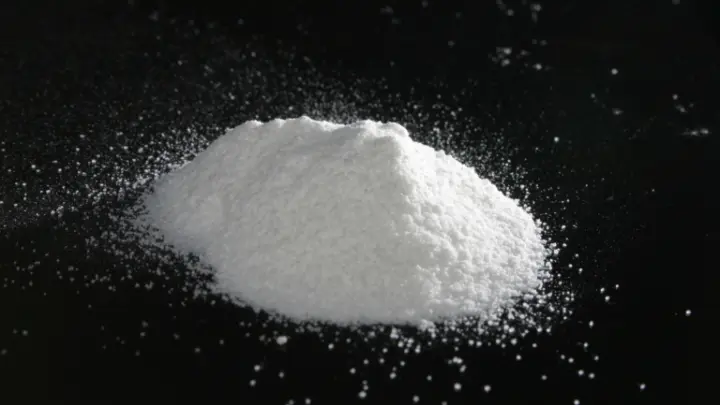
Picture 1. Illustration of glutathione powder
Functions of Glutathione
Glutathione has antioxidant and anti-melanogenic properties that help neutralize free radicals, reduce melanin formation, and detoxify various toxins dissolved in the body.
In addition, glutathione also offers several benefits:
- Helps prevent premature aging such as skin wrinkles
- Helps repair damaged cells
- Supports the immune system
- Helps brighten and maintain healthy skin
Types of Glutathione
Glutathione is divided into two types based on its oxidation level: Reduced Glutathione (GSH) and Oxidized Glutathione (GSSG), each with different characteristics.
A. Reduced Glutathione (GSH):
- GSH is the most abundant and active form of glutathione found in cells.
- It is an important antioxidant that helps neutralize free radicals and protect cells from oxidative damage.
- GSH is involved in liver detoxification processes, where it binds to toxins and heavy metals to help eliminate them.
- Supports the immune system and helps regulate immune responses.
B. Oxidized Glutathione (GSSG):
- GSSG is the oxidized form of glutathione that has lost electrons, making it biologically less active than GSH.
- It can be converted back into GSH by the enzyme glutathione reductase.
- Serves as an indicator of oxidative stress, as increased GSSG levels may indicate higher oxidative damage in the body.
Applications of Glutathione
Glutathione for the Food Industry
In the food industry, glutathione can be applied as:
- Raw material for beverages
- Raw material for dairy products
- Raw material for baked foods
- Raw material for sweet products such as candy and sugar products
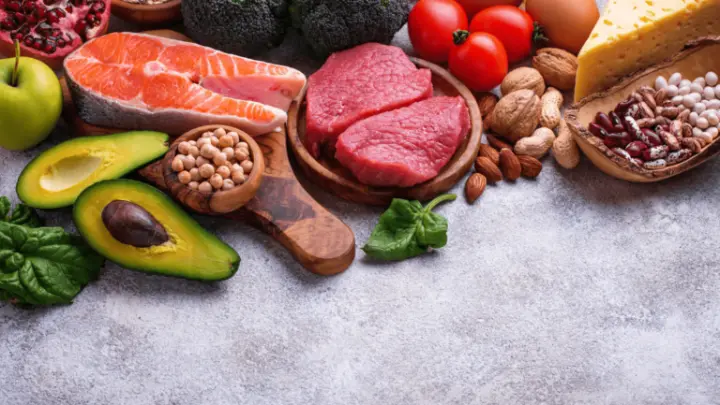
Picture 2. Foods containing glutathione
Glutathione for the Cosmetic Industry
In the beauty industry, glutathione can be used to:
- Help reduce hyperpigmentation
- Help inhibit melanin formation

Picture 3. Illustration of facial skin that remains firm
Glutathione for the Pharmaceutical Industry
- Metal ion chelating agent for heavy metal poisoning treatment
- Supportive therapy for hepatitis
- Treatment for hemolytic diseases
- Treatment for eye diseases

Glutathione Supplier in Indonesia
Maha is the official distributor of Glutathione in Indonesia. With its versatile applications across multiple industries and its benefits for both beauty and health concerns, glutathione has become a highly valuable ingredient. Contact us now to request a FREE glutathione sample and experience the benefits yourself!