In the food industry, texture is one of the most important quality parameters. Soft and chewy textures are often associated with better product quality and eating experience. To achieve the desired texture, carrageenan is commonly added to food products. Read more to learn about carrageenan, its functions, and recommended dosage applications in the food industry!
What is Carrageenan?
Carrageenan is a natural polysaccharide hydrocolloid extracted from red seaweed. It functions as a thickener, stabilizer, water-retention agent, and gelling agent who has long been used in various food applications. Based on the type of red seaweed and sulfate-binding properties, carrageenan can be divided into six main groups, with the three most commonly used in the food and pharmaceutical industries being is Kappa, Lota, and Lambda.

Picture 1. Carrageenan Structure
In this article, we will take a closer look at kappa carrageenan, one of the most widely used types of carrageenan in the food industry. Based on its processing method, kappa carrageenan can be classified into two categories: refined kappa carrageenan and semi-refined kappa carrageenan. Both are high-molecular-weight hydrophilic polysaccharides extracted from the red seaweed Kappaphycus alvarezii ("Cottonii") using advanced processing technologies.
Kappa carrageenan offers excellent solubility and stability in food systems and is capable of forming thermally irreversible gels. When combined with konjac gum, locust bean gum, or other hydrocolloids, carrageenan exhibits a stable synergistic effect that can significantly enhance gel characteristics, improve elasticity, and increase water retention within the gel structure.
Functions of Kappa Carrageenan in the Food Industry
Carrageenan for Meat Processing Industry
In processed meat applications such as sausages and processed meat products, carrageenan functions to:
- Improve elasticity and tenderness
- Increase product yield
- Improve freeze-thaw stability
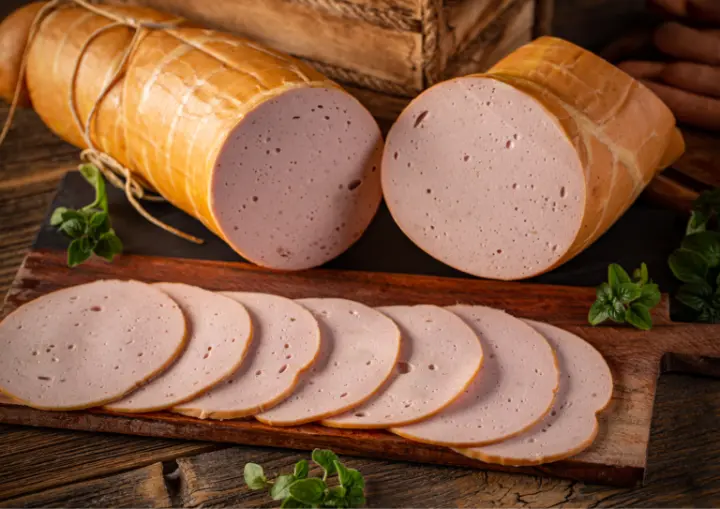
Picture 2. Carrageenan for Meat Processing Industry
Carrageenan for Dessert Industry
In dessert applications such as jelly and pudding, carrageenan functions to:
- Improve elasticity
- Provide chewy texture
- Create good transparency
- Enhance overall taste and mouthfeel
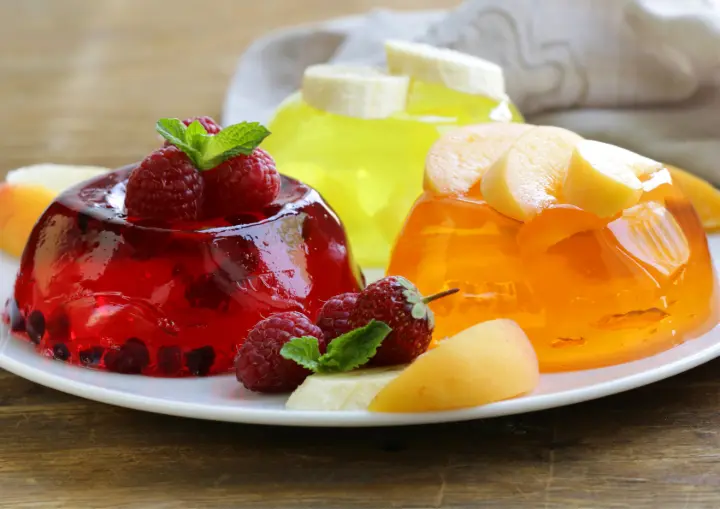
Picture 3. Carrageenan for Dessert Industry
Carrageenan for Dairy Industry
In dairy and dairy-based products such as cheese, ice cream, and chocolate milk, carrageenan functions to:
- Provide smooth and creamy texture
- Reduce water separation
- Form stable suspension systems
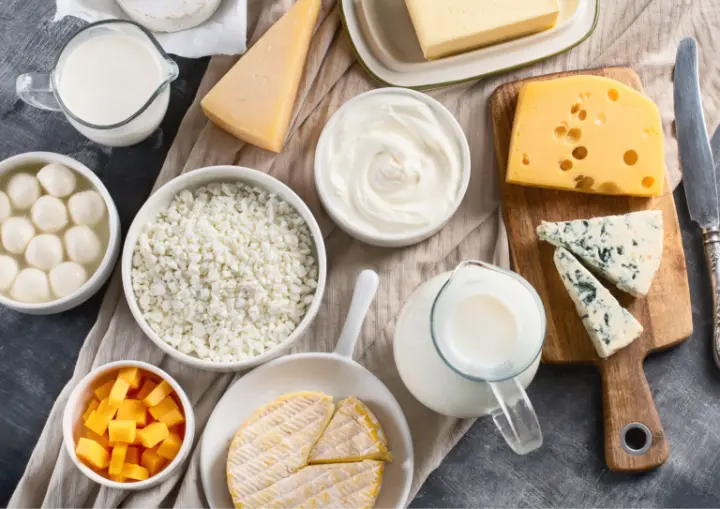
Picture 4. Carrageenan for Dairy Industry
Carrageenan for Pet Food Industry
In pet food applications such as gel-based products and gravy systems, carrageenan functions to:
- Improve viscosity and emulsification
- Bind water and oil
- Enhance palatability
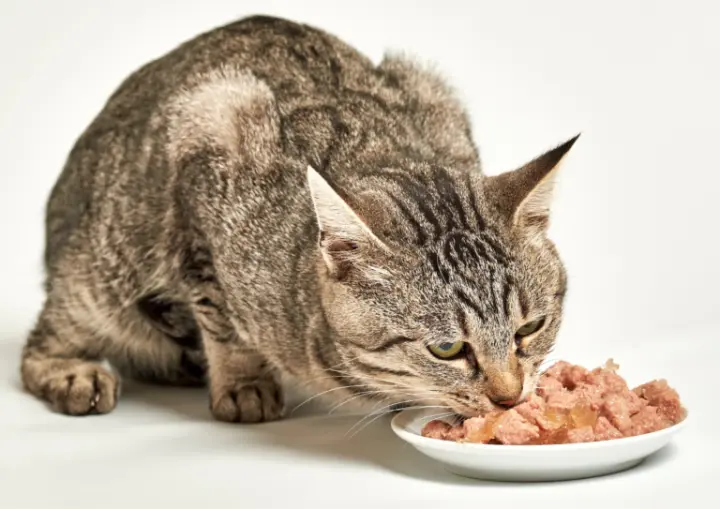
Picture 5. Carrageenan for Pet Food Industry
Recommended Carrageenan Dosage in Food Applications
Below are the recommended carrageenan dosage ranges from BLG for various food applications.
Product | Application | Recommended Dossage |
BLK1120 | Processed Meat Products, Desserts | 0.3 – 0.5 % |
BLK1200 | Processed Meat Products, Desserts | 0.3 – 0.5 % |
BLK2120 | Processed Meat Products, Dairy Products | 0.3 – 0.5 % |
BLK2200 | Processed Meat Products, Dairy Products | 0.3 – 0.5 % |
BLK3045 | Pet Food | 0.3 – 0.5 % |
Kappa Carrageenan Supplier in Indonesia
Maha is the official distributor of BLG Kappa Carrageenan in Indonesia. Using seaweed sourced from Indonesia, Tanzania, and the Philippines, with production facilities based in Indonesia, BLG Kappa Carrageenan is manufactured under strict quality control standards to ensure high purity and consistent quality. Contact us to request FREE sample and get technical support!